
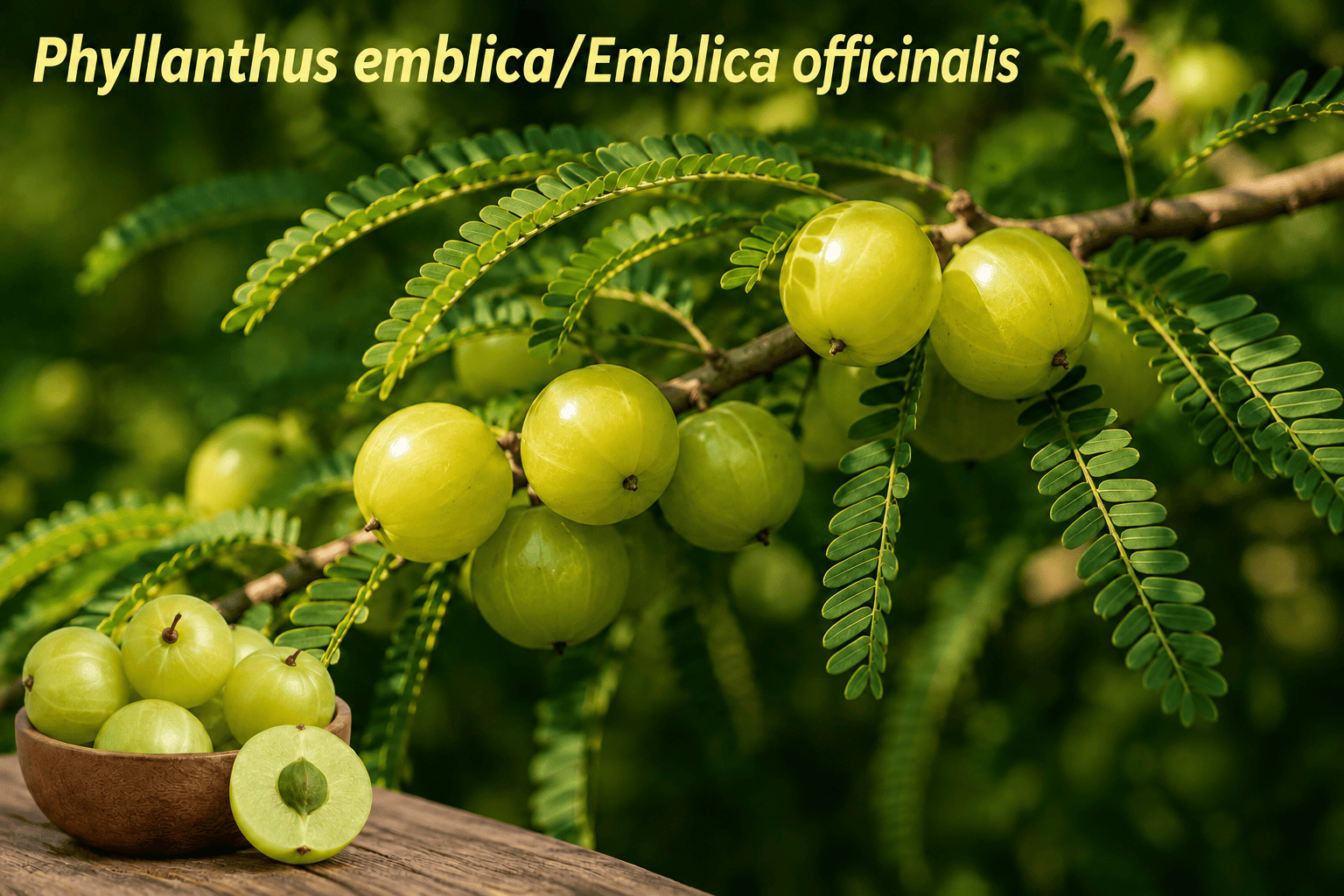

The idea of starting the day with a small bite of a sour Amla is for some not just about adding a fruit to your diet but a throwback to childhood memory, a legacy of home remedies and an age old connect with the earth. But how much truth lies in what we perceive about Amla as a ‘healthy’ fruit, with backing from science? Known botanically as Phyllanthus emblica L./Emblica officinalis and also popularly called the ‘Indian gooseberry’. Amla has a long historical legacy both as a food crop and as a traditional remedy in both South and Southeast Asian nations. Lately, Amla’s have come under scientific spotlight, for its polyphenols, tannins, flavonoids, vitamin C and also quite a bit of other bio active ingredients. One other extremely vital point we can clarify, right here just if fruit holds numerous nutritive elements that’ have lots of use for the human body, does not make it equal in curing an ailment!
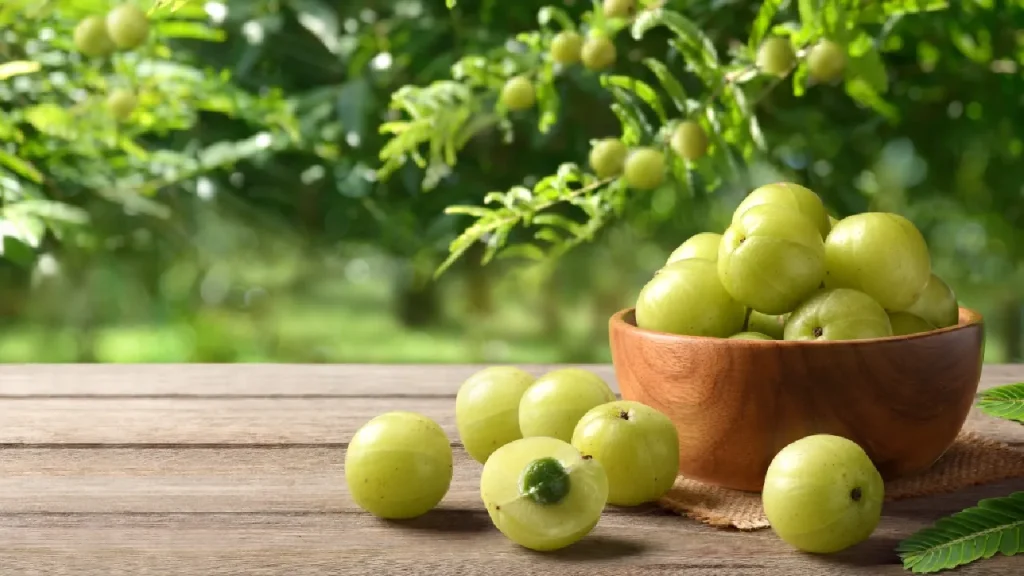
What is actually inside Amla?
The specialness of Amla is not only because it is sour. In the fruit of Amla are several kinds of phenolic compounds, tannins, flavonoids, organic acids and vitamin C. There are so many kinds of compounds identified in the phytochemical background of Amla, which carry so called biologically active compounds. Several of these compounds exhibit antioxidant effects. That’s where Amla research, apart from studying it as a fruit, now seems to be interested to study Amla as a functional food as well.
- Amla an antioxidants: Why is it so much talked about?
Some of the most reactive molecular species are generated in our body from time to time as by products of the metabolic processes. One function of antioxidant defences is to regulate these molecules. Among other beneficial nutrients, Amla is loaded with polyphenols as well as vitamin C, hence it has been the topic of several laboratory (in vitro), animal and human studies on its antioxidant property and their impact on endogenous antioxidant defences. This has been also the subject of a comprehensive review. If translated, Amla is an “antioxidant food”, but it won’t be scientifically correct to say that it “clears off all the toxins from the body” or “stops all the diseases”.
- Is Amla good for cholesterol?
This is indeed another fascinating aspect under current study and research. According to one randomized double blind placebo controlled clinical study, a population suffering from dyslipidaemias was treated with extract of Emblica officinalis for twelve weeks. They identified positive changes in total cholesterol, triglyceride, LDL-C and VLDL-C. What's more, a 2023 systematic review and meta-analysis of 9 RCT’s with 535 patients showed positive relationships between Amla intake and decreases in LDL-C, VLDL-C, triglycerides, and hs-CRP. Still, there has been a great degree of heterogeneity both clinically and statistically among studies which requires more studies to confirm those positive suggestions before coming out with clear conclusion. In other words, Amla is not quite a ‘drug’ that is known to reduce your cholesterol levels. However, there have been some encouraging results found from human studies regarding its lipid-altering properties.
- Can Amla control blood sugar?
Amla’s potential impacts on glucose metabolism have also been studied. According to a 2023 meta-analysis of five randomized control studies that analysed Amla’s impacts, supplementing Amla could lead to lower fasting blood sugar levels. Researchers in the same analysis saw impacts on other tests related to lipids and CRP as well. This does not indicate that “Amla cures diabetes”. These clinical studies may be limited by intervention duration, patient size and other factors such as participant profile size. The authors reported the need for new studies. Those experiencing diabetes may incorporate the use of Amla as part of their diet, rather than as an element in place of prescribed therapies.
- Amla and heart health: How do the proposed benefits hold up?
The supposed effects of Amla on heart health have been most predominantly theorised via the study of its effects on both lipid profiles and inflammatory markers. In their meta-analysis of clinical trials the researchers found possible favourable effects on LDL- cholesterol and hs-CRP levels as well as on triglycerides. However, due to study limitations and heterogeneity between the different trial results, they advised readers take the results with a grain of salt.
With this in mind, you may be best advised to use Amla not as a preventative measure of heart disease, but more along the lines of healthy nutrition.
- Why is the vitamin C in Amla significant?
Amla has always been highlighted for its being a source of vitamin C. Furthermore the vitamin C as well as the polyphenolic components makes Amla have the most interesting antioxidant value. However, there are quite huge variations in the vitamin C content of Amla which has been cited in various research papers. It is also attributable to the plant type, its environment, fruit’s age, storage methods or sometimes due to variations in laboratory analysis procedures. So, one must avoid believing in a single internet value of vitamin C of Amla.
- Does Amla help with digestion?
Digestion uses of Amla’s are mentioned in traditional medicine, including in the medical literature review. The mechanism for potentially biologically active Amla on the gastro - intestinal system have been reviewed. I do not think we have enough evidence based on research to say that eating Amla is going to make you stop the gas or stop all digestion problems or constipation, including ulcers. You need to give fruits respect as they are without exaggerating them.
- Amla for skin and hair: Traditional beliefs vs. science
Amla is often used for skin and hair care traditionally, Amla’s has been used for skin and hair. There is still a good amount of interest from in Amla from the nutraceutical and cosmetic industry due to vitamin C and its polyphenolic components. However, there is not a good deal of evidence behind “eating Amla will stop you’re shedding will remove you’re gray’s etc. will remove all skin marks”. This may involve discriminating amongst foods in general and certain cosmetic results.
How can we eat Amla?
There are various ways you can enjoy Amla according to your lifestyle and diet: As raw fruit mash (like a chutney), added to a salad include it in food, to dried pieces, add it to sweetened beverages that do not have sugar, added sugar in excessive sugar. Amla murabba or candy changes the overall nature of the fruit, especially in the form of sugars that could interfere with controlling levels.
How much Amla should one take daily?
Here we need to understand an important thing; there is no established scientific dosage stating that taking a particular number of Amla fruits daily will give one most benefits. Different research papers have utilized whole fruits and standard extracts and supplements with varying dosage unlike each other. For example, there was a meta-analysis assessing cardiovascular risk factors in which different trials administering extracts of Emblica officinalis use standardized extracts of 500-1500 mg/day, and duration ranging from 14-84 days. So, a whole Amla fruit and an extract are not to be treated on an equal footing.
Who needs to be careful?
Amla could be a common food item for most people. However, those consuming medication routinely and especially if being treated for a chronic disease or diabetes are strongly advised to seek advice from a doctor or a qualified practitioner prior to adding concentrated Amla extracts to their regimen or considering Amla extracts. The supplements can contain extremely high doses than normally found within the fruit and side interactions can be a highly personalized variable.
Five common misconceptions about Amla
1. Amla cures all diseases: In fact some of the bioactive constituents found in the food are being investigated and this is not an “all purpose cure”.
2. Amla replaces standard diabetes medications: It’s true that it might provide benefits for levels of blood sugar by certain research. However, prescription therapy does not include using it instead of standard diabetes treatment.
3. The more Amla you eat, the more benefits: These do not exist as value from the food form and a concentrated supplement form are not the same and do not produce a correlated value-benefit response.
4. Eating Amla results in black hair out of gray: The nutrient and bioactive substances that Amla possesses are currently being researched regarding their benefit to the hair, but there is no clinical proof for a black hair returned to the gray kind.
5. Amla is a “detoxifying fruit”: Actually, most of bodily detoxification will be occurring by means of the functioning organs system of the liver, the kidneys and the rest of the bodily systems. Therefore, to say that Amla “detoxifies every part of your system” is technically untrue.
Final thoughts - Amla is a superfood, not a medicine
As much as it might seem that all this science about Amla points to some magical property, perhaps that’s not the real brilliance of Amla. It’s probably the whole package - vitamin C, polyphenols, and a slew of bio active compounds combined with many nutrients. While some human studies suggest that Amla supplementation may help with altering your cholesterol, triglycerides, glucose, and inflammation levels, these have not all agreed on this and there aren’t a vast number of them just yet. So, there’s no need to go making it out to be some cure for all life’s ills. Simply recognize Amla as a component of a balanced diet that’s also rather delicious, though slightly tart and it has a really interesting narrative from a scientific research perspective!
References
- Ma QG, et al. Phyllanthus emblica Linn: A comprehensive review of botany, traditional uses, phytonutrients, health benefits, quality markers, and applications. Food Chemistry. 2024;446:138891.
- Wali AF, et al. Functional and Nutraceutical Significance of Amla (Phyllanthus emblica L.): A Review. Foods. 2022.
- Setayesh L, et al. The impact of Emblica officinalis (Amla) on lipid profile, glucose, and C-reactive protein: A systematic review and meta-analysis of randomized controlled trials. Diabetes & Metabolic Syndrome. 2023.
- Clinical effects of Emblica officinalis fruit consumption on cardiovascular disease risk factors: a systematic review and meta-analysis. 2023.
- A randomized, double blind, placebo controlled, multicenter clinical trial to assess the efficacy and safety of Emblica officinalis extract in patients with dyslipidemia.
- Pathak S, et al. The Phyllanthus emblica Fruits: A Review on Phytochemistry, Traditional Uses, Bioactive Composition and Pharmacological Activities. Current Topics in Medicinal Chemistry. 2024.
- Phyllanthus emblica: a comprehensive review of its phytochemical composition and pharmacological properties.
Md. Mostakim Islam
Pharmacist, Research Head (NFE Cell – Team Pharmastic)